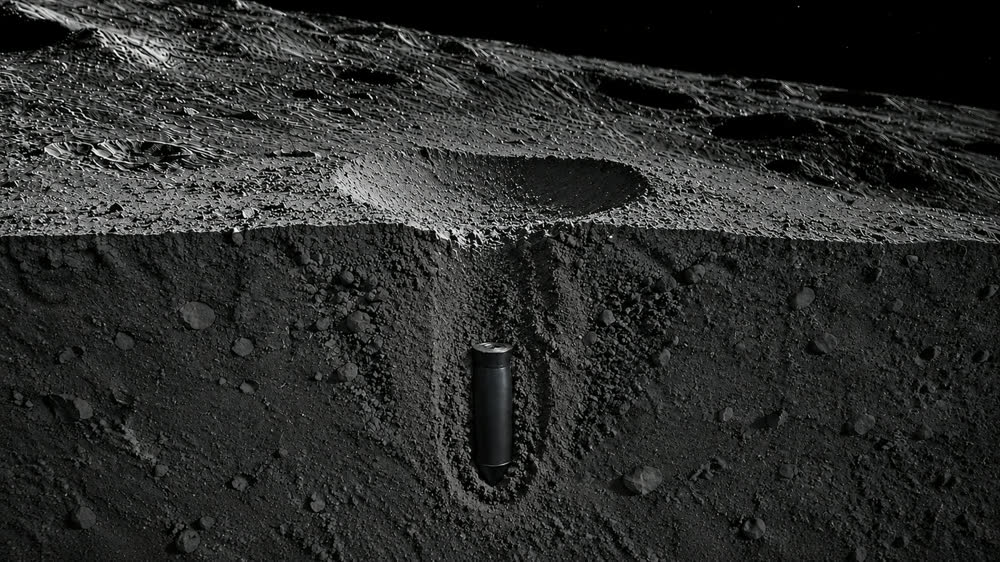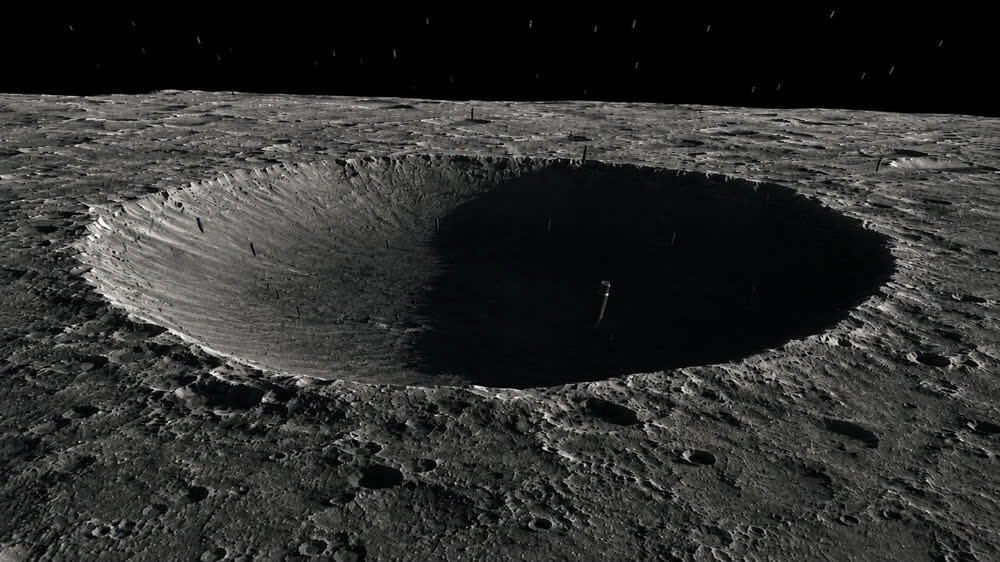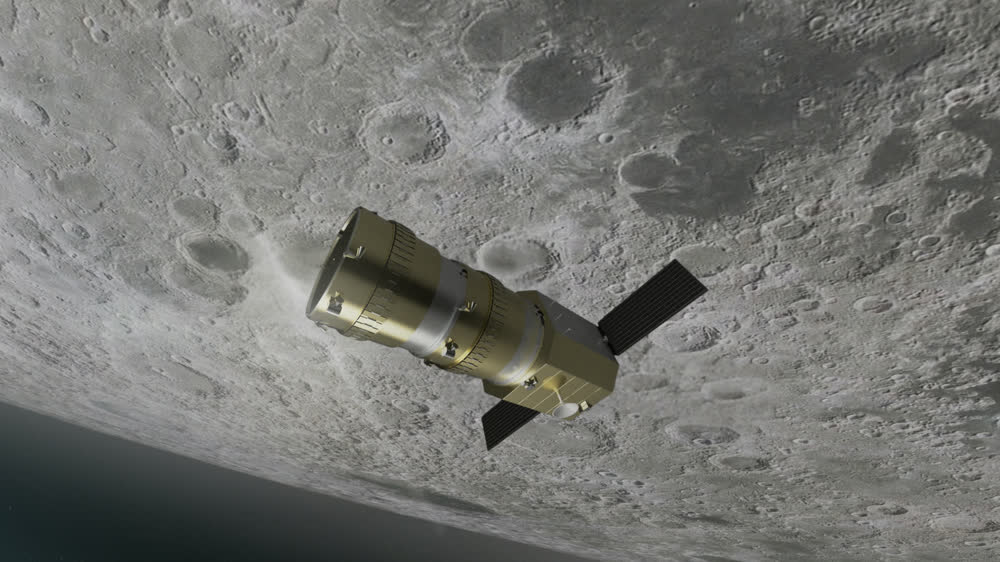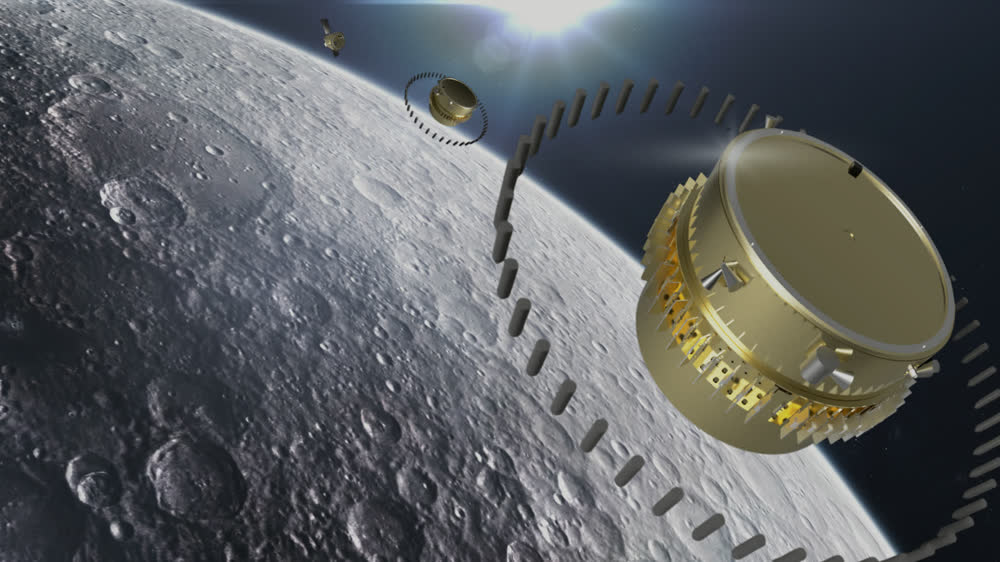
The subsurface is a black box
Surface imagery and orbital data show only the top centimeters. Below that — where ice, voids, and structural variability decide what is buildable — almost nothing is mapped.
Building a commercial lunar penetrator network — fast, cheap, and reaching the parts of the Moon no one else has.
However remote, however unproven — we get there, and we get there before anyone else does.
The lunar surface is not unknown. It is unmapped, undermeasured, and inaccessible at commercial pace. These are the gaps we close.
Surface imagery and orbital data show only the top centimeters. Below that — where ice, voids, and structural variability decide what is buildable — almost nothing is mapped.
Landers and rovers operate without GPS-equivalent reference. Every precision mission rebuilds positioning from scratch, at huge cost and risk.
Single-purpose lunar missions take 5–10 years and hundreds of millions of dollars. They produce isolated data, not infrastructure.
Permanently-shadowed regions, high-latitude poles, far-side targets — the most scientifically and commercially valuable places stay unreached because they are hardest.
From subsurface sensing to positioning to network-grade coverage — each layer compounds the value of the previous.
Moonquake catalogs, subsurface temperature, regolith dielectric and layer structure — geophysical observation delivered as a commercial payload service.
Surface-fixed reference points serving precision-landing and surface-operations needs, designed to interoperate with LunaNet and emerging cislunar PNT.
A multi-unit constellation across the lunar surface — single sites become a continuous map, a single map becomes infrastructure.
Four core offerings — from penetrator hardware to integrated data, lander positioning, and commercial ride-share.
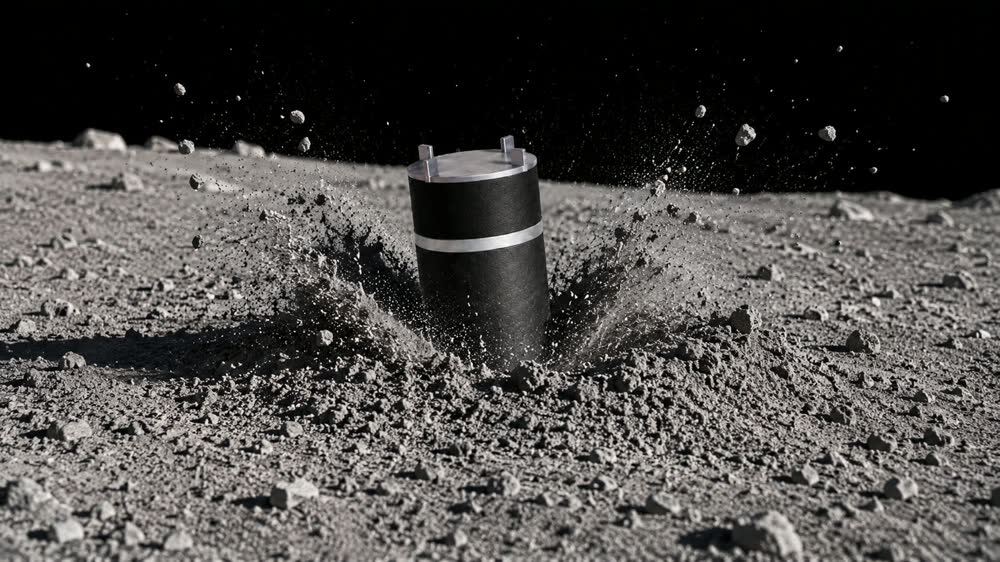
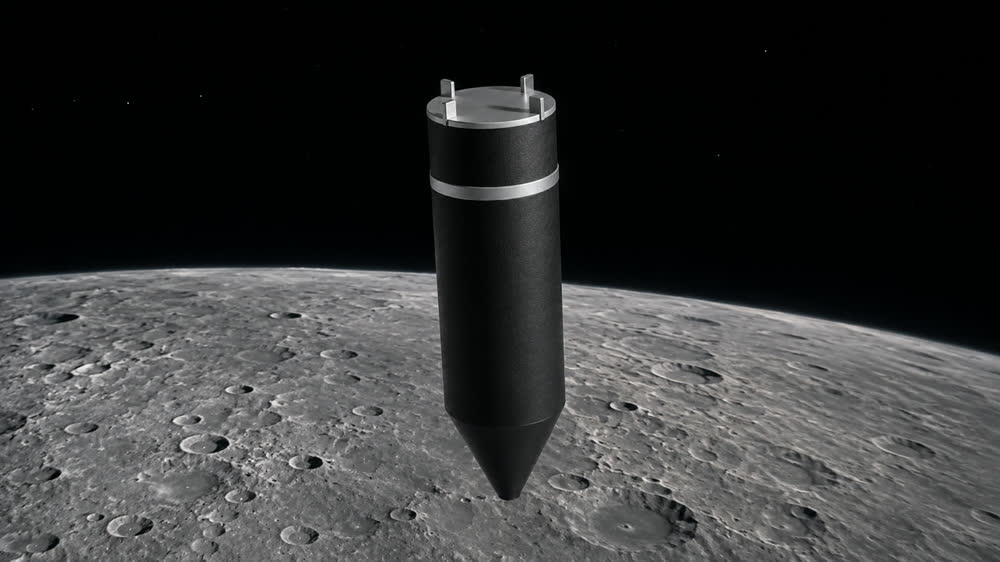
Mini for ride-share entry on commercial landers; Max for science-grade observation — two lunar penetrators on a common platform.
A 3D data platform integrating terahertz, microwave, camera, and penetrator data — from surface down to 5 m depth.
Positioning reference, rover tracking, and a lunar PNT network using Max beacons.
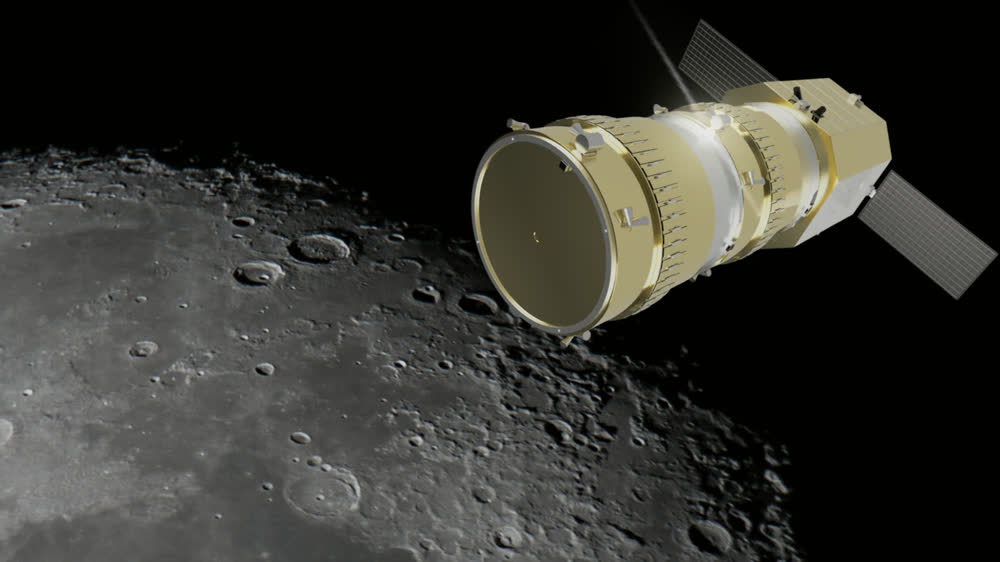
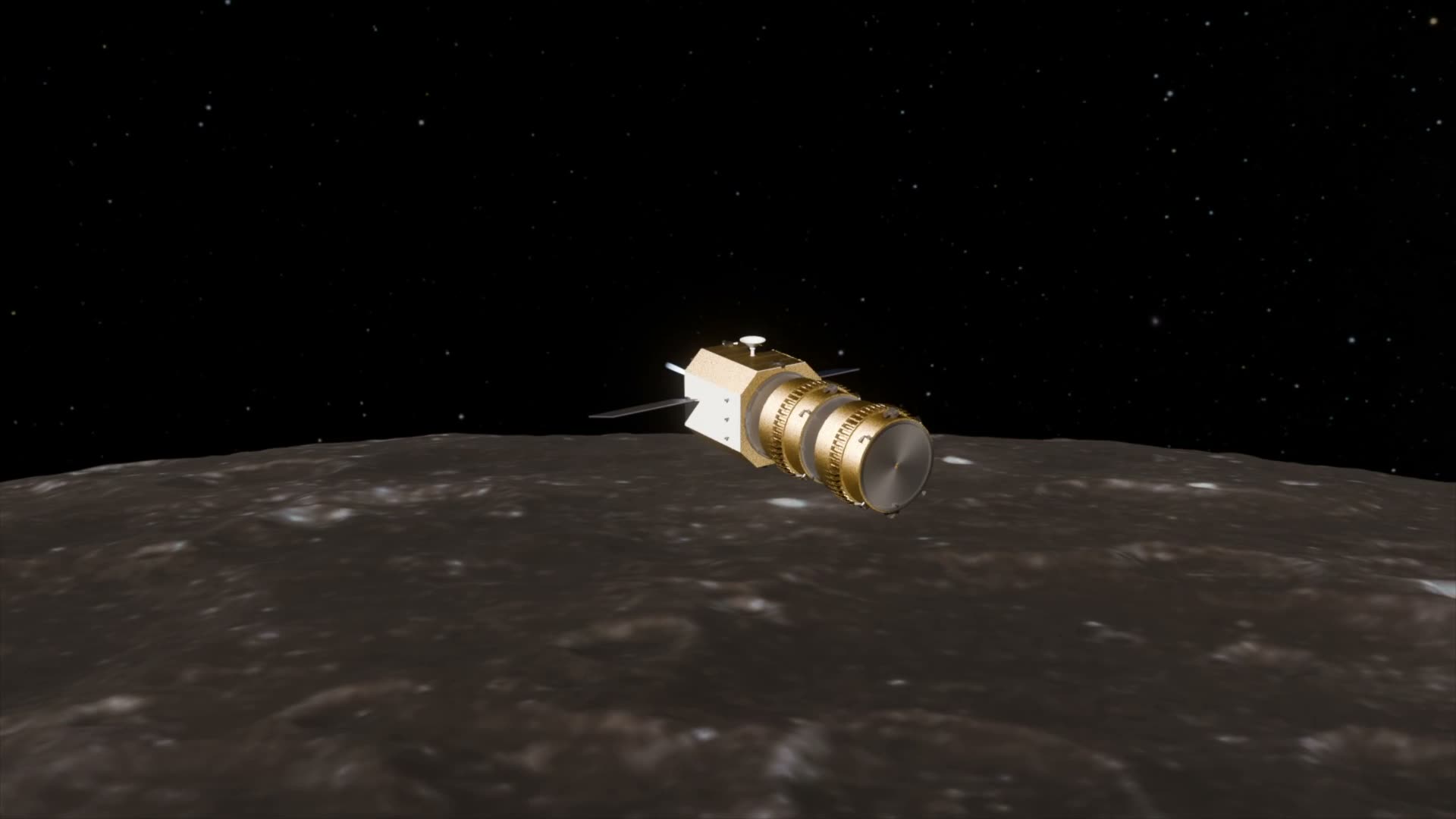
Commercial sales of empty payload slots on mothership and penetrator missions — including shock-tolerant payloads.
Initial Mini Penetrator flights as commercial lander ride-share payloads. Technical verification and customer feedback.
A self-operated constellation of Mini Penetrators. First continuous subsurface and positioning data products.
Science-grade Max Penetrators deployed alongside Mini units — a full lunar subsurface and positioning network.